According to the Asthma and Allergy Foundation of America, allergies are assuming epidemic proportions in the United States, with up to 30% of adults and 40% of children now suffering from hay fever symptoms—nasal congestion and itchy, watering eyes.
Doctors have traditionally asked sufferers to avoid the allergens causing a reaction, but this is often easier said than done. Allergy shots currently available and antihistamines can create harmful side effects and reactions, worsening the situation. The Ayurvedic solution? Building the body’s immune system holistically through detoxification, diet, herbs, and more.
Factors that contribute to allergic reactions
Researchers and doctors are still unclear on exactly why some people are affected by allergens such as dust, pollen, and mold while others are not. Data suggests that the developed nations of the West have a higher incidence of allergies, and scientists hypothesize that the "clean" surroundings, immunizations, and antibiotics prevalent in these countries may be responsible for many people's reactions to allergens.
Other factors that may be contributing include diet, exposure to chemicals, and carpeted housing.
What Maharishi Ayurveda says
Gearing up the body's own immune systems to effectively combat allergens is exactly what Maharishi Ayurveda suggests as the long-term, effective solution to allergies.
In the spring, impurities inside the body are melting due to the rising temperature in the environment. The liquefied toxins clog the channels of the body. When the channels are blocked, nutrients are not delivered properly to the cells, and the body's immune systems for resisting allergens become overwhelmed.
As flowers burst into bloom, they fill the air with pollen. So the allergens in the environment are increasing at the same time that the body's defenses are being challenged. That's the reason for the incidence of allergies suddenly shooting up in the spring.
The Council of Maharishi Ayurveda Physicians explains that in respiratory allergies, a particular subdosha of Kapha, called Shleshaka Kapha, which is responsible for maintaining moisture in the upper respiratory tract, is involved. "As the ama (digestive impurities) in the body starts melting, they combine with Shleshaka Kapha to form a thick, sticky toxin called shleshma, which starts to fill the respiratory tract and sinus cavities," says The Council.
"The entire respiratory system, as a result, becomes a fertile breeding ground for bacteria and infection. This is the reason many allergies end up as secondary sinus and respiratory infections."
Strengthening the body’s defense systems
So what can one do to help the body combat allergens? It is not enough just to quell the symptoms. The long-term solution is to delve into the root cause of allergen levels and build up the body's immune system to effectively withstand allergens.
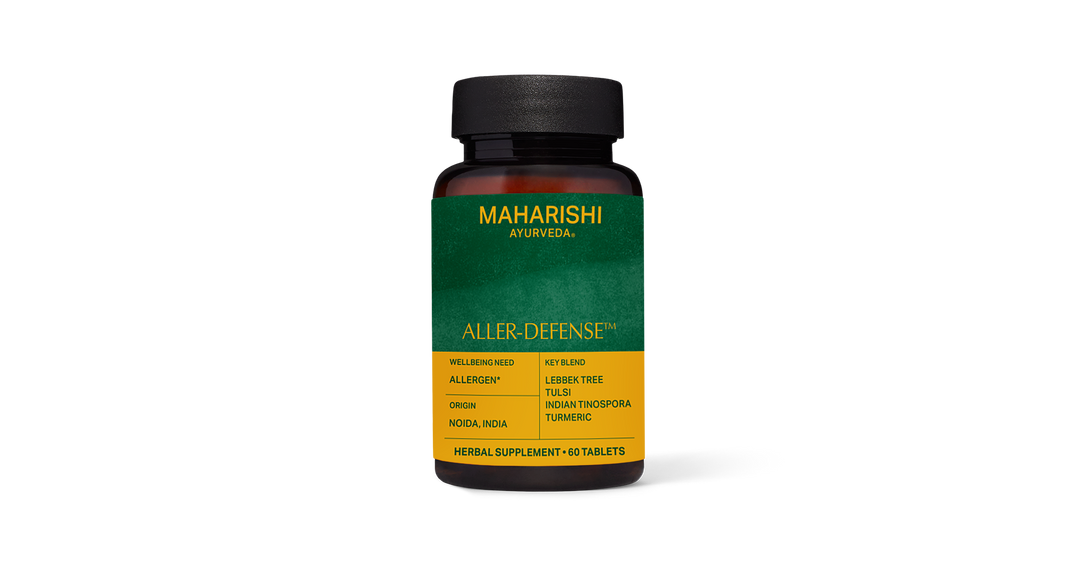
The Aller-Defense herbal formulation from Maharishi AyurVeda can help. Taking Aller-Defense twice daily helps remove toxins from the body and strengthens the body's immunity. Aller-Defense helps block toxic reactions, improve digestion, and decrease sensitivity to allergens by nourishing and purifying the liver. This herbal formulation is designed for all kinds of allergies because it enhances the body's overall capability to fight allergens.
What about diet? Researchers have found that a diet that includes regular intake of spices with anti-allergy capabilities can reduce vulnerability to plant-induced allergies. These spices contain allergy-fighting chemicals that include flavonoids and phenols — for example, turmeric is rich in curcumin, a compound that is known to have anti-inflammatory properties. Turmeric can also help improve digestion and balance the flow of bile. Sage, red pepper, cumin, and coriander are some other spices that are known to be allergy fighters. Sautéing a combination of ground turmeric, cumin, and coriander in ghee and using the mixture to season vegetables is a way of incorporating some of these allergy-fighting spices into your diet.
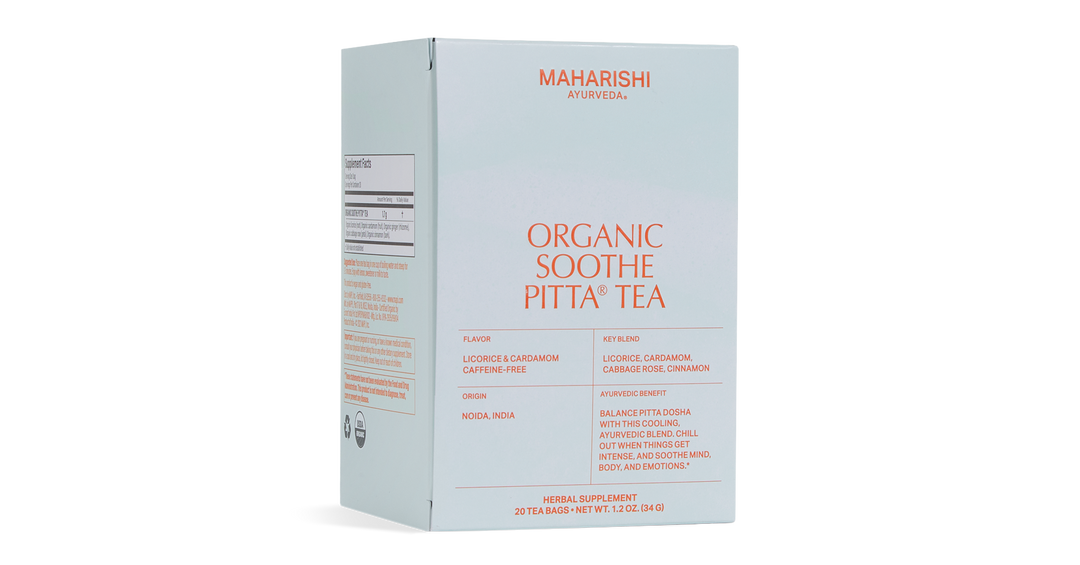
From the Ayurvedic perspective, it is important to follow a Kapha-Pitta pacifying diet. When allergens attack the body, or allergen levels become too high, the body’s immune system releases various chemicals. So it is considered essential to pacify Pitta because Pitta regulates chemical functions in the body. Drinking Organic Pitta Tea or using the Organic Pitta Churna Cooling Spice Mix (food seasoning) are convenient ways of doing this. It is also important to pacify Kapha to counteract sluggish digestion and congestion. This is especially true in the Kapha season (spring).
Understanding that it is important to strengthen the body’s defense systems to effectively combat allergies is the key. Appeasing symptoms provides only temporary relief.
Allergy Q&A with the council Of Maharishi Ayurveda physicians
Our expert from The Council of Maharishi AyurVeda Physicians discusses the Maharishi AyurVeda perspective on allergens and ways to survive allergen season with a holistic program including diet, lifestyle, and herbal supplements.
Q: What are the different types of allergen reactions, and what causes them?
A: In Ayurveda there are two categories of allergen reactions. One is the type that a person is born with, caused by genetic predisposition. It can be a reaction to certain foods or to certain allergens in the environment such as dust and pet dander.
In Maharishi AyurVeda, we say that this type of reaction is caused by Asaatmya influences, which means unsuitable influences. The same influences are fine for other people, but for this person, a specific food such as peanuts, wheat, or corn causes a reaction.
Sometimes it's easy to avoid that one food that you are highly sensitive to, such as strawberries. But if many different foods create a reaction, then this becomes a problem. Also, the problem might be associated with a chronic condition such as asthma that never goes away and is even life-threatening.
Maharishi AyurVeda does offer solutions to both acute and chronic situations that are present at birth, but it's best to consult an expert trained in Maharishi AyurVeda rather than trying to treat your child or yourself.
The expert will take your pulse (Nadi Vigyan) to determine the source of the imbalance. The treatment will vary according to the specific imbalance causing the problem, whether it is acute or chronic, and whether there are any complicating factors. It requires an expert to sort out these different causal factors and to recommend specific dietary, lifestyle, and herbal formulas to help treat the problem, which may be originating in the DNA.
Q: What is the second type of allergen reactions, and what are the contributing causes?
A: The second category includes seasonal reactions, or sensitivities that a person has acquired later in life, which can be dealt with more easily.
The main cause of seasonal and acquired sensitivities is a reactive type of toxin called amavisha. To understand how amavisha is formed, you first need to understand the simpler, less dangerous toxin called ama. Ama is created by incomplete digestion, due to eating food that is unsuitable for your body type or is too heavy to digest, and gets lodged in the colon and digestive tract. If the person doesn't correct the mistake in diet or lifestyle that is causing the accumulation of ama in the digestive tract, then the ama can eventually travel to different organs or tissues in the body and lodge there.
If not flushed out, eventually simple ama interacts with the organs, tissues (dhatus), or functions of the body (subdoshas) where it is settled, and it develops into the reactive toxin called amavisha. This is the basis of many disorders, according to Ayurveda.
Allergens add an extra element to this scenario. When substances such as dust or pollen interact with the amavisha, this creates a reaction. It is the reactive nature of amavisha that causes this to occur. Wherever they interact and interfere, these toxins make it hard for the cells to function properly in that part of the body.
Signs of amavisha vary depending on which part of the body the amavisha is located. If the amavisha/allergen combination affects the skin, it could result in rashes, discoloration, roughness, or irritation. The same mixture in the lungs is linked to respiratory issues. Amavisha/allergens in the intestinal tract causes GI tract distress. Wherever the problem manifests, it is caused by the presence of amavisha.
But it's important to understand that it's not the allergens themselves that are causing the reaction. Many other people breathe the same pollen, the same ragweed, and they have no reaction whatsoever. It's the presence of amavisha within the sinuses or lungs, or in the subdoshas that govern them, that makes the allergens create a reaction.
Q: So rather than focusing on avoiding the allergens, it sounds like a person with seasonal reactions should do everything possible to get rid of the Amavisha that is at the basis of the reaction.
A: Yes, that is the Ayurvedic perspective. Amavisha has an additional effect: it disrupts the immune system. This, in fact, is the major difference between amavisha and simple ama. Ama clogs the channels and can create disturbances in the doshas, but it doesn't affect the chemical balance of the immune system, and doesn't interfere with the functioning of immune hormones. Amavisha, being more reactive, is therefore more dangerous and has a more far-reaching effect.
When the immune system is affected by the accumulation of amavisha, it cannot function normally. It loses its adaptability — its ability to regain equilibrium when confronted with sudden change.
For instance, when the seasons change, and new plants are blooming and releasing pollen, or the weather shifts between hot and cold or humid and dry, these dramatic changes in the environment challenge the immune system. In normal circumstances, the person can adapt.
But if the immune system is already taxed by the presence of amavisha, and therefore can't respond to seasonal change with normal flexibility, the body succumbs to imbalance, and starts to react to allergens.
Q: How can Someone with seasonal reactions get rid of these toxins?
A: In Ayurveda we have a principle: detoxify the body at the end of each season. This is recommended because the weather and environment during one season will impact the body and create certain imbalances, causing the body to accumulate ama or amavisha. You need to flush out those toxins before the next season starts, in order to prepare the body to confront the changes it will be facing.
Another reason for seasonal detoxification is to cleanse the shrotas, the microchannels that carry nutrient fluid to the cells and carry waste products away from the cells. If the shrotas are clogged with toxins, then the immune system is slowed down.
Detoxification is especially important if you are prone to allergic reactions. In winter, for instance, people often eat more heavy foods because of the cold weather. If some of that food is not digested properly, it might create ama or even amavisha. So before you face the challenge of spring allergens, it's important to get rid of those toxins from winter.
Otherwise, you are starting the allergen season with a slow and sluggish system, just when you need your immune system to be flexible enough to adapt to the pollen of spring. The same thing is true for the fall ragweed season — you want to detoxify the body before the late summer/fall allergen season begins. This is the most important step you can take Ayurvedically to prevent seasonal difficulties.
Q: How would you go about detoxifying your body before allergen season begins?
A: The exact timing will depend on the particular climate you live in. Ideally, you would want to start a detoxification program just before the onset of spring to rid your body of impurities that have accumulated during winter. For late-summer or fall allergen season, you'd want to detoxify your body before the onset of fall in your area.
In both cases, this detoxification program would include a diet and lifestyle that helps remove toxins from the body. For instance, you'll want to avoid eating heavy, indigestible foods such as ice cream and other ice-cold foods and drinks, heavy desserts, oily or fried foods, sour yogurt, red meat, and hard cheeses. Avoid leftovers, packaged, canned, frozen, or processed foods of any kind, as these are difficult to digest and include chemicals or preservatives that tax the liver and cause amavisha.
Instead, eat a light, nourishing diet of cooked, lightly-spiced organic, fresh vegetables and fruits, whole grains, dhal soups for protein, and fresh herbs like cilantro.
Make sure the food is warm and deliciously cooked with spices. Go easy on the oils, but include a small amount of ghee or olive oil to sauté your spices in. Sip hot water throughout the day to help eliminate toxins. Get plenty of rest and enjoy mild exercise such as walking every day.
Q: Are there other herbal Ayurvedic treatments for allergies for eliminating toxins before the allergen season begins?
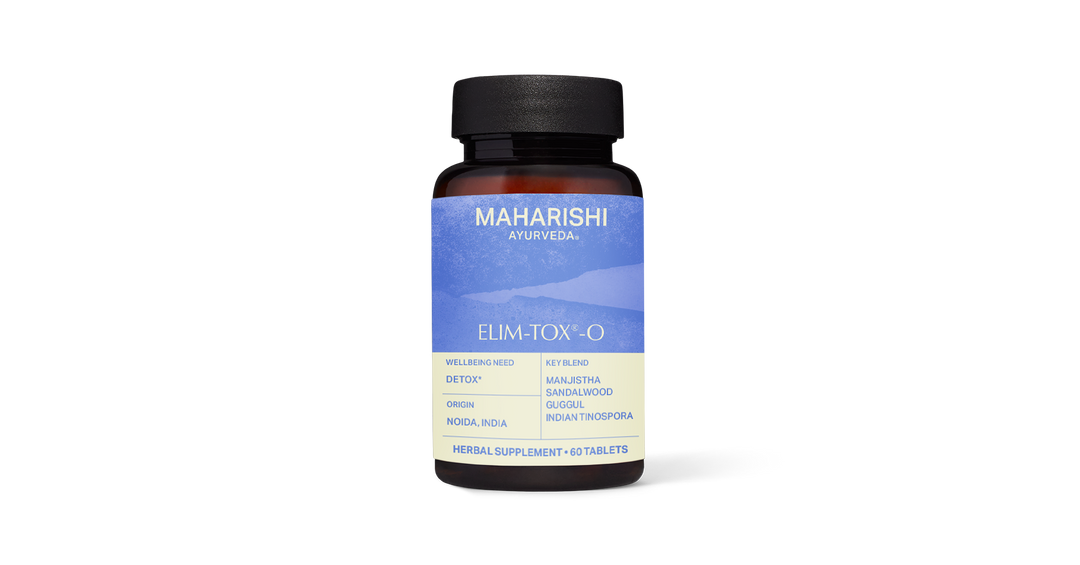
A: The best Maharishi AyurVeda products for detoxifying are Elim-Tox or Elim-Tox-O, because both products cleanse the liver of toxins. They also help remove toxins through the sweat, the blood, the urine, and bowels.
Elim-Tox contains a group of herbs that supports elimination of toxins by lubricating the digestive tract and moving toxins out of the body through the urine and stool.
If you are Pitta by nature, or if you have more of the highly reactive amavisha, then it's better to take Elim-Tox-O. It has the same purifying effect, but works a little slower because it first pacifies the reactivity of Pitta dosha before purifying the toxins. It provides extra support to the liver, the most important organ for detoxification.
For detoxifying the body, it's also essential that your elimination is working well. Make sure you have one or two bowel movements a day, with one in the morning when you rise. If your bowels are still sluggish after trying the dietary changes mentioned above, then take two to four Herbal Cleanse capsules or three to five Organic Premium Amla Berry tablets before bed.
Q: So once you've detoxified your body before the allergen season, then what should you do during the allergen season?
A: During the allergen season (i.e. once spring or late summer starts), follow the seasonal diet recommended for that season, taking into account your body type. For instance, spring is the Kapha season, when there is more of the heavy, earthy, watery Kapha dosha predominant.
So the Ayurvedic dietary recommendations are to eat more pungent, bitter, and astringent foods. But spring allergens also have to do with the reactivity of amavisha, so you'll want to pacify Pitta, too, especially if you are a Pitta type. This means going easy on the pungent spices. Avoid chilies and cayenne, but mildly pungent spices such as ginger and black pepper are fine in small quantities.
For the fall allergen season, follow the guidelines for Pitta season, which lasts from July until October, when the first frost begins a new season. Avoid pungent, sour, and salty foods, and eat more bitter, astringent, and sweet foods. But make sure the foods are not too heavy and sweet, as those will clog the channels and aggravate allergic reactions.
Avoid heavy dairy products such as cheese, but a light dairy drink such as lassi is fine. Lassi is made by blending four parts water with one part freshly-made yogurt, plus honey for sweetener. Drink it with lunch to aid digestion and cool Pitta.
To continue to detoxify your body during the allergen season, eat lots of green vegetables and summer squashes, such as zucchini or lauki. (See recipe below.) These are cooling and pacify the reactivity of amavisha. Hard winter squashes such as pumpkin and butternut squash, on the other hand, are not recommended for preventing allergic reactions, as they are more difficult to digest.
About lauki squash
Lauki squash (sometimes spelled loki), is a summer squash that is white inside and light green in color on the outside. It is available in Indian or Asian food stores, or under the name Fuzzy Squash in Canada and Kakunsa in Italian districts. Its other names are white pumpkin, Benares pumpkin, or long white gourd, not to be confused with bitter gourd.
To prepare, wash and peel it. Chop it into small cubes, about ½" thick. Steam until slightly soft, as you would yellow squash. Melt one tablespoon of ghee in a large frying pan until it turns clear. Mix ½ teaspoon whole cumin and ½ teaspoon of turmeric into the ghee until the aromas are released. Add the steamed lauki and sauté it in the ghee-spice mixture. Serve immediately. You can also try Creamy Lauki Soup.
Avoid eating foods from the nightshade family, which includes tomatoes, potatoes, eggplant, and sweet yellow, green, and red peppers. These foods clog the channels and create toxins. Also avoid bananas and bigger beans, as these are difficult to digest for someone who reacts to allergens.
Avoid vinegar (as found in pickles, ketchup, salad dressings, and other condiments). Always eat whole, lively food, avoiding processed or dead food of any kind.
Spice your food with this Allergen Season Spice Mixture to powerfully deal with allergen reactions.
Q: Should you adjust your lifestyle during allergen season?
A: Diet, sleep, and meditation are the three pillars of health, so it's important, when your immune system is under siege, to pay special attention to all three of those areas.
Whenever you're sick, your doctor says to get lots of rest. This is because rest helps boost a depressed immune system. During allergen season, your immunity is under attack, so to speak. So make sure that you are getting enough sleep during the night.
Maharishi AyurVeda adds another precaution: make sure that you are sleeping at the optimal times. It would only increase your allergen reactions if you go to bed late and get up late, as this kind of schedule throws the body's natural rhythms out of balance and ends up causing clogged channels and taxing the immune system. So make sure you're in bed well before 10:00 p.m. and up before 6:00 a.m. This will support the body's tendency to cleanse and purify itself after 10:00 p.m.
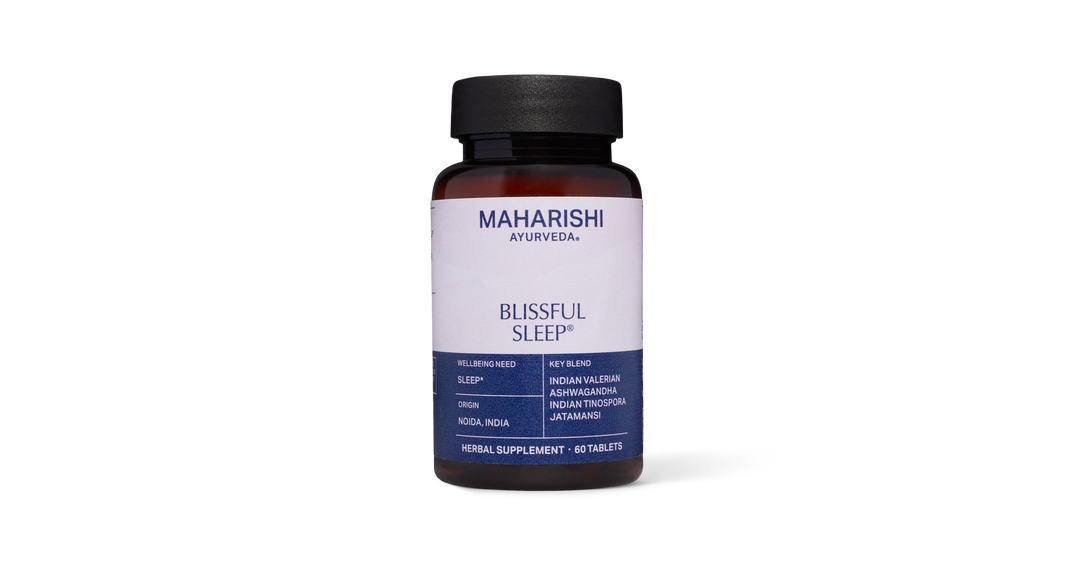
If you are having trouble falling asleep, take Blissful Sleep. If you are waking up between 2:00 and 4:00 a.m. with energy, take Deep Rest. These products are designed to solve specific sleep problems.
Maharishi AyurVeda also recommends that you reduce stress by meditating as part of your daily routine. Research shows that Transcendental Meditation®, which takes only twenty minutes twice a day to practice but provides deeper rest than sleep, boosts the immune system and dramatically reduces stress.
Studies indicate that allergen sensitivity and other immune-deficiency illnesses improve significantly after subjects start the practice of meditation. Meditation is a central part of the daily routine and is mentioned prominently in the ancient Ayurvedic texts.
Q: You mentioned earlier that weak digestion is a factor in creating toxins, and therefore allergen reactions. Can you really improve your digestion if it's weak?
A: In Ayurveda, digestion is considered to be as important as eating wholesome foods. This is because even if you eat suitable foods for your body type, if you're not digesting and assimilating the foods properly, you could still be creating ama.
To improve digestion, it's important to never skip or delay meals. The digestive system functions better when you're on a regular routine, and when you eat your meals at the same time every day. Skipping a meal causes the digestion to go out of balance, creating either too many or too few digestive enzymes. Both situations lead to ama and eventually to the formation of amavisha.
It's also important to eat your main meal at noon, when digestion is strongest. Eat lighter at breakfast and dinner. If you eat your heaviest meal after dark, as most Americans do, it will not digest completely before sleep, and will create ama. A breakfast of cooked apples and prunes, for instance, is light and digestible.
Other Ayurvedic tips for improving digestion include:
- Avoid watching television or listening to music or the radio while eating. Focus on the food, enjoy light conversation with good friends, and chew carefully. This will help digestion.
- Make sure the food is visually appealing, tasty, and suitable for your body type and the season.
- Always sit down while you eat, and try to avoid jumping up a lot during the meal. This will help create the settled state necessary for digesting food.
- Eat to only ¾ of your capacity.
- Eating and drinking while in the car on the way to work can disturb digestion. It is not possible to focus adequately on the food when you're driving.
- Start each meal with a moment of silence. This is the purpose of saying grace, to give thanks for the food, to appreciate the food, and to start eating in a settled state. Wait a few minutes after the meal is completed before going back to work or play, as this will give your digestion a chance to begin without interruption.
Q: When should you take Aller-Defense, the holistic herbal formula from Maharishi Ayurveda?
A: Once the allergen season begins, take Aller-Defense to simultaneously remove toxins from your body while strengthening your immunity. These tablets also help block toxic reactions, improve digestion, cleanse the microcirculatory channels (shrotas) and decrease sensitivity to allergens by nourishing and purifying the liver.
Aller-Defense contains turmeric, albizzia lebbeck, and holy basil to balance the body's immune response. Heart-leaved moonseed (guduchi), turpeth, chebulic myrobalan (haritaki), and picrorhiza kurroa help the body eliminate both internal toxins and external irritants. Dry ginger, long pepper, black pepper, major catkins, and nutgrass are yoga vahi herbs, which means that they increase the bioavailability of the other herbs in the formula.
Finally, abhrak bhasma, revered for rejuvenation, is also included. This is a special kind of mica that has high silica content, and it takes over six months to prepare, even with Maharishi AyurVeda's advanced, custom-designed processing equipment. In this process it is heated and reheated over 100 times to enhance bioavailability and potency.
Q: You've covered seasonal allergens, but what about acquired allergen reactions?
A: The same principles apply to acquired allergen sensitivities. Over time, the immune system is debilitated by amavisha, and loses its flexibility. A food that used to be fine to eat starts to create an allergic reaction. Or someone might acquire a sensitivity to a particular allergen in their environment, such as a chemical used in commercial cleansers or dust mites.
In the case of acquired sensitivities, take care not to expose yourself to the allergen or food that is creating the allergic reaction. Try to remove it from your environment, so your immune system is not overwhelmed and the reaction can calm down.
At the same time, you can start the detoxification program mentioned for seasonal allergies, only you don't have to wait for the gap between the seasons to start detoxifying. The reactive toxin amavisha is still the culprit, and if you start taking Elim-Tox-O for a few months, you will see a reduction in the symptoms. Aller-Defense and the dietary and lifestyle tips will also help balance natural immunity.
Q: What is the relationship between allergens and asthma, and how do allergen sensitivities often lead to asthma?
A: Earlier I mentioned that different allergic reactions are created when an interaction of amavisha and allergens affect different parts of the body, tissues, or organs. When amavisha disturbs the functioning of the upper respiratory tract, it disturbs three different subdoshas. First it starts to interact with Shleshaka Kapha, the subdosha of Kapha that governs body fluids and mucus. This imbalance leads to the creation of toxins in the mucus.
A second factor is Udana Vata, the subdosha of Vata that governs the lungs. If it also goes out of balance and its functioning is disturbed by amavisha, then the toxins can go to the upper respiratory tract and the lungs.
Finally, if the toxins clog the Pranavahi Shrotas — the microchannels in the upper respiratory tract, sinuses and head — then Prana Vata also goes out of balance. Prana Vata is the subdosha that governs the head, chest, and respiration. All together, the presence of amavisha combined with allergens and imbalance in these three subdoshas creates upper respiratory tract reactions.
If someone has this kind of allergic problem, he or she should see an Ayurvedic expert. As a preventive measure, one can take one to two Aller-Defense tablets twice a day. In addition, make a cup of hot water with two Sniffle Free tablets dissolved in the water. Add two holy basil leaves. Drink one cup in the morning and one cup in the afternoon. If you don't have holy basil leaves, you can also dissolve the tablets in a cup of Sniffle Free Tea instead of water.
This recipe pacifies and prevents the accumulation of amavisha, and lubricates the Pranavahi Shrotas to prevent further accumulation of amavisha.
Avoid exposing yourself to contrasting temperatures. This applies to the food you eat as well as the weather. Your body has already lost much of its adaptability when the immune system is under siege, and it cannot handle extremes. For instance, if you keep your home extra hot in winter and you walk outside in the cold, this could challenge your immune system. Or it could happen if you travel in a hot car while drinking ice-cold water.
To avoid taxing your immune system, allow yourself some transition time so your body doesn't have to adjust from one extreme to the other so quickly. Keep your home or car a little cooler, rather than extremely hot during winter, for instance, so there is not as much contrast.
Q: Why are allergen reactions and asthma on the rise today, especially among children?
A: One of the Ayurvedic reasons why children today are experiencing more of these problems is that most children are fed a diet of canned, frozen, packaged, and processed foods. These foods are lacking in the intelligence of nature, having been altered so completely they are essentially dead and lacking in nutrition.
Another reason is the lack of spices that aid digestion. It's important to feed children more immunity-enhancing foods, and teach them behaviors that are immunity-enhancing. Add a small amount of spices to their food, using the sweeter spices such as fennel, coriander, and a small amount of turmeric.
It's also important to expose your kids to an immunity-enhancing environment, which means an environment free from pollution and chemical toxins. Fresh, pure water and fresh, pure air are important for preventing allergic reactions.
If you live in a city where the air is polluted, you can at least ensure that your home's indoor air is fresh by purchasing an air purifier and keeping purifying plants, such as holy basil or spider plants, in the house. You can install a water purifier to filter chemicals, lead, and mercury from your drinking water, or purchase spring water to drink.
But it's important not to protect your child too much when it comes to playing in nature. An environment that is too sterile is also a problem, because the immune system needs to be challenged a little bit. Spending time outdoors and being exposed to the earth, water, air, and sun is part of a healthy childhood.
If temperatures fluctuate sharply from season to season, expose your child gradually to the cold or heat. If it's quite cold outside, your child can get used to spending time playing in the snow by starting with just ten minutes a day. As you gradually increase the time, he or she will adapt without compromising his or her immunity.
Q: Can a person actually get rid of allergen reactions, or is the best-case scenario just to minimize the problem?
A: If a person is born with allergen sensitivities, then it is very difficult to change. But even in such cases, the situation can improve as the child grows older. This depends on the parent's understanding of the Ayurvedic diet and daily routine for boosting the child's immune system.
That is why it's important to consult an expert in Maharishi AyurVeda for these kinds of sensitivities, because the expert can prescribe a specific program designed especially for the individual involved.
To balance natural immunity from season to season or from environment to environment, Maharishi Ayurveda has the answer. Remove the toxins before the allergen season begins by taking Elim-Tox or Elim-Tox-O, and follow the detoxification routine and diet.
Once the season begins, take Aller-Defense and follow the seasonal diet. Eat the recommended spice mixture and foods. You will see the difference within just a few months.
Ayurvedic herbal formulas help ease discomfort from allergies, while a holistic lifestyle approach that builds the immune system naturally including regular detoxification can make a big difference over time. To learn more, head to the Allergens Wellness Hub.
© 1999, 2021 Maharishi AyurVeda Products International, Inc. (MAPI). All Rights Reserved. MAPI does not provide medical advice, diagnosis or treatment. These statements have not been evaluated by the Food and Drug Administration. Products are not intended to diagnose, treat, cure or prevent any disease. See additional information.