Ayurveda sees bathing as a therapeutic activity. The morning bath is therefore an important part of the Ayurvedic dinacharya, or daily routine. A leisurely bath relaxes tense muscles, irons out a creased brow, opens clogged pores, restores moisture to the tissues, and adds a healing dimension to your day.
Bathing in the ancient world
Bathing has always been accorded the status of a sacred activity in Indian life. During their explorations of ancient India's Indus Valley Civilization in Mohenjo-Daro, archaeologists unearthed a large pool-like structure with steps leading down at both ends. This is believed to have been a public bath. In addition, homes in this surprisingly advanced civilization had their own private baths and an elaborate drainage system.
Not just India, but several other world cultures have treated the bath as a healing activity. In ancient Greece, water was regarded as a gift of health from the gods themselves. In Rome, ruins of hot and cold sunken baths can still be seen at Pompeii. Napoleon's wife Josephine Bonaparte's bathtub is said to retain its musk perfume, more than 150 years after it was built.
Bathing as therapy
As the world discovered the comfort and pleasure a bath could bring, new ways were found to make it a healing experience. Ancient ayurvedic texts speak of therapeutic baths featuring rose petals, milk, honey, and turmeric.
Preceded by a luxurious full-body warm oil massage and followed by the application of rich sandalwood paste and floral waters on the skin, the Ayurvedic bath was designed to restore balance to mind, body and spirit.
Ayurvedic texts report many benefits from the healing bath:
- It enhances physical energy levels and improves mental clarity.
- It helps remove sweat, dirt and environmental toxins from the skin.
- It helps relax the mind and balance the emotions.
Choosing a cleanser
Cleansing the skin is a vital part of the bath routine, or a prelude to applying decorative substances on the skin. Different kinds of cleansing materials are described in the ayurvedic texts. The main considerations when choosing cleansing materials for baths is well described in Ayurveda:
1. The materials should be all-dosha-pacifying
There are three major sub-doshas that govern the skin: Vyana Vata, Bhrajaka Pitta and Shleshaka Kapha. Vyana Vata controls circulation, Bhrajaka Pitta governs the metabolic and biochemical activity of the skin and Shleshaka Kapha is responsible for moisture balance.
The cleansing materials should not aggravate any of these sub-doshas; instead, they should balance all three of these sub-doshas and enhance their coordinated functioning.
Further, they should not disturb the coordination between Prana Vata and Vyana Vata, which is the connection between the tactile nerves and the whole nervous system.
2. The cleansing ingredients should possess natural intelligence
They should be be "alive" so that they can enliven the intelligence of the skin. The ideal cleansing formulation helps the process of rehydrating the skin so that during the bath or cleansing process the skin can absorb adequate molecules of water into the cells.
Charaka, the ancient Ayurvedic healer, calls the outermost layer of the skin udakdhara: udak means "water" and dhara is "that which holds." This layer is also called awabhasini; "that which reflects the inner radiance." Harsh cleansers that strip moisture from the skin damage the delicate wisdom that facilitates the reflection of the inner glow, called prabha in Ayurveda.
3. They should maintain the skin's moisture balance
Ayurveda considers this essential for overall skin health. Water is one of the five essential Ayurvedic elements that sustain life: space; air; fire; water; and earth. Each element is "born" of the preceding element.
Water, being fourth in this chain, contains within it the intelligence of space, air and fire in addition to its own intelligence. For the skin, and the whole physiology, to be in balance, it is therefore crucial that its moisture content not be depleted.
This Pitta-balancing formula is made with grapefruit, olive, orange and almond oils blended with Ayurvedic herbal extracts to moisturize, revitalize and maintain a youthful glow.
Suggested use
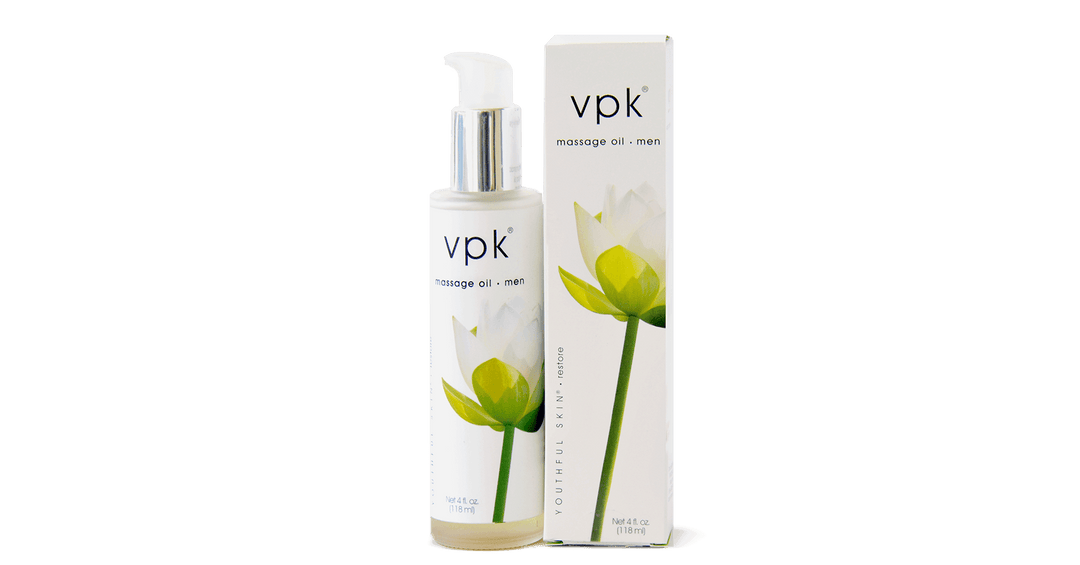
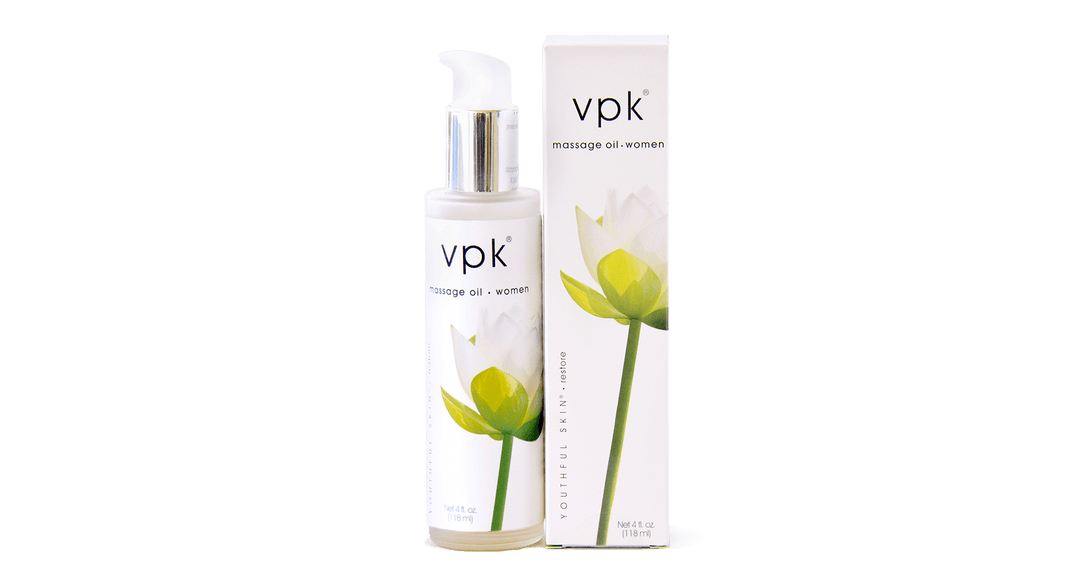
The Council of Maharishi Ayurveda Physicians recommends beginning the therapeutic bath process with a full-body warm oil massage with the Youthful Skin Massage Oil. Then bathe, using water that is neither too hot nor too cold.
Ayurvedic bathing tips
- Do not bathe in a hurry; take your time.
- Practice deep breathing in your bath.
- Try to relax, so that both mind and body benefit from the bath.
- Gentle aromatherapy in the room is fine, but do not use harsh or artificial fragrances in the bathroom.
- Make sure your bathwater is also pure; use filters if necessary.
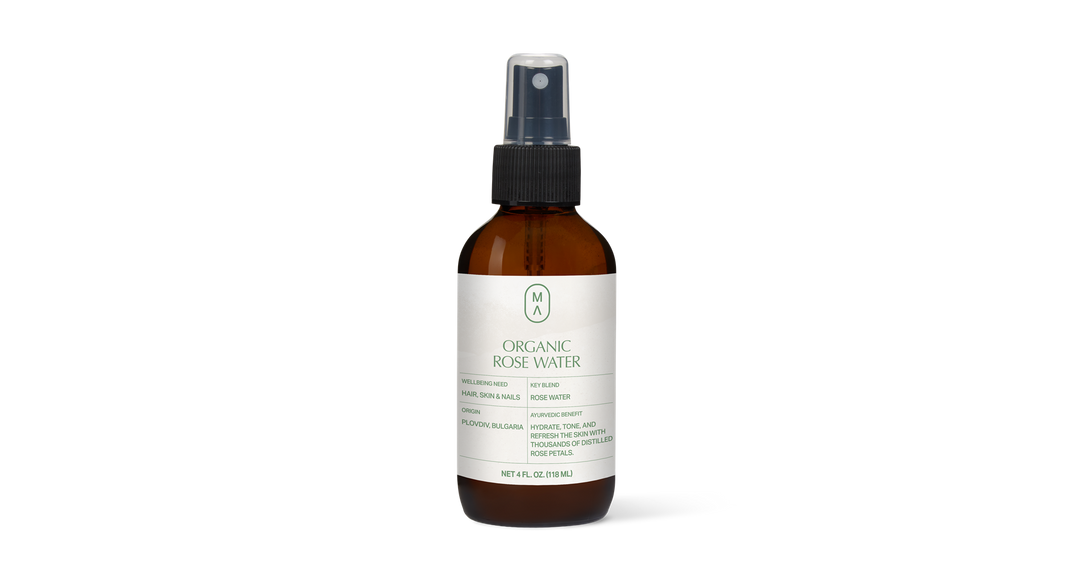
- After you towel off, spritz your body with Organic Rose Water.
Take our Dosha Quiz to discover your unique mind-body type.
© 1999, 2021 Maharishi AyurVeda Products International, Inc. (MAPI). All Rights Reserved. MAPI does not provide medical advice, diagnosis or treatment. These statements have not been evaluated by the Food and Drug Administration. Products are not intended to diagnose, treat, cure or prevent any disease. See additional information.