Maharishi Ayurveda Newsletter Archive


Monday - Friday
8am - 6pm
(central time)


Shop for Health SolutionsNatural Fertility Support for Men and Women:

A New Program Increases Fertility While Improving Health

According to current estimates, six percent of the men between the ages of 15 and 50 are infertile. This trend has become worse in the past 50 years. In 1940, the average sperm count was 113 million per milliliter. By 1990 that value had dropped to 66 million per milliliter.

Women's fertility concerns are also on the rise, and the worldwide general fertility rate is lower than ever before. With everything from toxins in the environment to high levels of stress being suspected as possible causes, solutions are needed to bolster the reproductive capacity of men and women who wish to conceive.

Yet just raising the rate of conception is not enough. In the ayurvedic view, ideal conception means conceiving a truly healthy child—intelligent, blissful, and strong in mind, body and spirit.

Below is an interwiew of an ayurveda expert from The Council of Maharishi Ayurveda Physicians on a topic that is of great interest to many of us.

Q: Can you begin by telling us what conception means from the ayurvedic viewpoint?

A: This is a beautiful place to start our discussion. From the ayurvedic viewpoint, the conception of a child is not considered to be a merely physical phenomenon. In order to create a truly healthy child, who will be mentally, physically, emotionally and spiritually healthy, both the woman and man must also be mentally, physically, emotionally and spiritually healthy. They must also have a happy, blissful relationship with each other. As for the physical components, a healthy uterus and healthy ovum are necessary for women; for men healthy sperm; and for both men and women a healthy genitourinary tract and general good health is important. Maharishi Ayurveda offers methods to deeply nourish the different aspects of conception, because every parent-to-be cherishes the desire to give birth to an intelligent, happy, healthy baby who has the capacity to grow into a truly great, enlightened citizen of the world.

Q: Beautiful. If every set of parents-to-be looks at conception, pregnancy and bringing up children from the holistic viewpoint of ayurveda, children can receive complete nourishment for body, mind and spirit from the very start of their lives. You spoke about healthy physical components, which, of course, are very necessary for conceiving a healthy child. Can you explain this a little further?

A: As you know, there are seven types of body tissue-nutritional fluid, blood, muscle, fat, bone, bone marrow and reproductive fluid. The shukra dhatu (reproductive tissue) is found in both men and women. In women, it transforms into the ovum as part of the monthly cycle. In men, shukra dhatu gets secreted as a result of sexual activity or thought and moves down to the testes and gets transformed into semen.

Q: So the role of shukra dhatu is to enhance reproductive capacity and health in both men and women?

A: Yes, that is so. For healthy conception, the quantity and quality of shukra dhatu is critical. But you may be surprised to know that that is not the only role of shukra dhatu. It's important to understand that shukra dhatu has an additional role-other than reproduction. The shukra dhatu is the seventh tissue-the last in a chain of metabolic processes. The transformation of food into tissues starts when you eat food and it gets transformed into the nutrient fluid, known as rasa dhatu. The transformation continues in an orderly progression as each dhatu gets transformed into the next: from rasa to rakta (blood), to mamsa (muscle), to meda (fat), to asthi (bone), to bone majja (bone marrow) and into the reproductive tissue, shukra dhatu. But the finest product of this chain of transformations or digestive processes is ojas, created from the shukra tissue. Ojas creates optimum health-vigor, lightness, stamina, immunity, luster in the skin, sparkle in the eyes, mental clarity, blissful emotions, and spiritual well-being. Ojas is so important to life that one aim of all the ayurvedic behavioral routines, herbal compounds, and dietary recommendations is to increase ojas. One of the ayurvedic texts, the Sushruta Samhita, says, "Due to ojas, the muscle tissue becomes strong, all movements become free and perfectly coordinated, voice and complexion become clear, and externally and internally the activity of the organs of action and the sense organs become intelligent and evolutionary.

Once it is out of that transformation chain, shukra dhatu creates semen or ovum. Thus there are two types of shukra: the shukra that gets transformed into ojas, and the shukra that becomes sperm or ovum. Both types of shukra exist in both men and women. The point I want to make here is that once shukra dhatu gets transformed into semen or ovum, it loses its ability to get transformed into ojas. Only so long as the shukra dhatu remains in the dhatu transformational chain, and is not used to create semen or ovum, does it have the ability to become ojas.

Q: It sounds like shukra dhatu is essential for the health of everyone, whether they want to conceive or not.

A: That's exactly right. That's why it's important to enhance shukra dhatu, because it creates ojas, whether you want to conceive a healthy child or not. The Maharishi Ayurveda program for enhancing fertility is ideal for every man and woman, whether they want to conceive or just want to improve their overall health and vitality by increasing their level of ojas.

Q: I know that ayurveda considers food the primary and most important means to achieve good health, and you just explained that it is the food we eat that ultimately gets transformed into shukra dhatu and ojas. What is the role of diet in enhancing the reproductive capacity of both men and women?

A: There are certain types of foods and herbs that specifically enhance the shukra dhatu in both men and women. These foods are called vrishya. They include foods such as asparagus, broccoli, milk, milk-date shake, milk-mango shake, and rice pudding. Vrishya spices targeted directly to shukra dhatu-include small amounts of ajowan powder, cumin ( which helps to purify the uterus in women and the genitourinary tract in men), turmeric (to help improve the interaction of hormones and targeted tissues), and black cumin. Avoid coriander if you are trying to conceive, as it is not nourishing to shukra dhatu; large amounts of basil are not recommended either, as basil does not support the shukra tissue. Both men and women should avoid eggplant, tomato, and bell pepper as these clog the channels. Avoid any foods that are too hot or spicy, or foods that are too heavy and cold, such as ice-cream.

Q: Are there foods that specifically enhance ovum and provide support to women's hormones-foods that women need to focus on?

A: Some grains, such as quinoa, enhance estrogenic activity and support the hormonal activity of both men and women. Cook it with a little ghee, salt, and spices such as cumin and black cumin. Fruits such as papaya and pineapple also are helpful in strengthening the ovum. Turmeric helps enhance the binding of estrogen and progesterone.

Q: And what kinds of foods do you recommend for men, to help enhance the sperm?

A: For men, asparagus has testosterone-enhancing quality, and almonds and dates also enhance the shukra tissue.

Q: Are there other dietary or behavioral recommendations to help with conception?

A: Shukra dhatu is the seventh dhatu, and the other six dhatus form the raw material for creating shukra dhatu in the chain of metabolic transformations. Therefore, all the previous dhatus should be of good quality and quantity for healthy formation of the shukra dhatu and thus for healthy conception. Bringhana foods and herbs enhance the shukra tissue by enhancing all the seven dhatus, so both men and women who wish to conceive should follow a bringhana diet. Both are important: vrishya foods to enhance shukra dhatu and bringhana foods to nourish all the seven tissues.

Q: This goes back to the ayurvedic concept of wholeness-reproductive health is one aspect of health, and the ayurvedic approach to achieving it takes into account overall health as well. Could you explain what foods constitute a bringhana diet?

A: Good question. A bringhana diet includes fresh, organic fruits and vegetables, whole grains and cereals, and healthy types of dairy protein such as panir, milk, or lassi. If you are vegetarian and have a dairy intolerance, you should be sure you are getting enough protein through beans, pulses, and nuts, because the body needs certain amino acids to function properly and to create healthy shukra dhatu. Almonds and walnuts, when soaked overnight, and also mung dhal, nourish all the seven dhatus. You can soak 5-6 blanched almonds overnight and eat them in the morning, or grind soaked, or blanched almonds into a paste and add it to your vegetables. It's important to keep rotating the vegetables and fruits in your diet, to provide enough variety. All sweet, juicy fruits are bringhana, such as mangoes, peaches, pears, and plums. Some dried fruits, such as dates, figs and raisins, are also recommended. Eating a stewed apple for breakfast is a healthy, balanced way to start the day. In general, a good quality of diet, with the proper blending of spices and fresh foods without preservatives always gives good support to shukra dhatu. If your digestive fire (agni) is strong, you can cook a banana in ghee seasoned with cinnamon and cardamom. Urad dhal (split black gram) is also very good, but because it is heavy, it's important to cook it with spices that enhance agni but do not aggravate Pitta dosha, such as equal parts turmeric, cumin, and fennel. As you can see, there are a good number of bringhana foods to choose from-pick all those that are convenient for you and rotate them.

Q: You mentioned that the spices should not be too hot, too Pitta-aggravating. Is there a special reason for that?

A: This is a very important point that I'd like to cover in depth. Just as Kapha dosha governs the respiratory area and Pitta dosha governs the digestive area in the center of the body, the genitourinary tract is governed by Vata dosha, and the sub-dosha Apana Vata in particular. Because Vata is by nature cool, if excessive heat accumulates in that area, it can create an imbalanced environment. In addition, the shukra dhatu is a cooling dhatu, as opposed to a heating dhatu such as the blood (rakta dhatu). Shukra needs a cool environment in order to support fertility. Too much heat is opposed to its survival, opposed to maintaining the quality of shukra dhatu and opposed to enhancing the sperm and ovum. Some things thrive in a hot environment, other things cannot. If the reproductive area becomes too hot, it becomes an environment not conducive to fertility.

Q: That is indeed an important point to keep in mind then. Can you give us examples of heating foods to avoid?

A: If a person eats spices and foods that are too heating and pungent, that can result in less quantity and quality of sperm and less motility of the spermatozoa in a man--and lower quality of the ovum in women. In general, things that enhance the quality, quantity, and motility of sperm also enhance the quality of ovum. Also, if you aggravate Pitta dosha by skipping meals, drinking too much alcohol, smoking cigarettes, or taking drugs, these habits can disturb shukra dhatu and can disturb the production of semen and ovum. That's another reason why it's important to eat a healthy, nourishing, organic diet. If a person follows an opposite type of diet, eating spicy, chemical-laden foods, then that person's shukra dhatu is not going to be healthy. Food with less chetana-intelligence-such as leftovers, packaged, canned or frozen foods, foods with vinegar, excessive amounts of citrus foods, pungent, hot foods, and foods with chemicals and preservatives should in general be avoided because these increase Pitta.

Q: Many researchers attribute the dramatic decline in sperm count that has occurred in the last fifty years partially to the introduction of chemicals, preservatives, and pesticides into the food supply, so this seems to be in accord with the ayurvedic explanation that anything that increases heat in the genitourinary tract could in theory cause lower sperm-count in men and decreased fertility in women.

A: Yes, and this is a fascinating phenomenon to study. Research shows that while normally the scrotal sac is kept cool by the body, higher scrotal temperatures above 96 degrees Fahrenheit can result in a dramatic decline in sperm count. The adverse effect of heat on the reproductive tissue of both men and women has, of course, been known by ayurveda for thousands of years. I first learned this from my father, who was also my most respected teacher. When I was growing up in India, I always wore the traditional, loose-fitting garments sewed by our village tailor. But in 1973, as a young married man, I noticed that our village stores were starting to sell western-style undergarments, which included tight elastic waists and polyester-blend fabrics. Of course I wanted to try them, but my father told me that this style of clothing would be very damaging to the reproductive system, because it would hold the heat in, and in that area of the body, you want to always allow the heat to flow out or the area can become overheated and result in damage to the sperm. Years later, when I read the research, I remembered what my father had told me. This is also true if you wear clothing that is tight around your waist and legs, and especially if you have to sit for long hours at your job. Wearing tight clothing or sitting for long periods restricts the flow of energy and clogs the Vata channels, the downward-moving sub-dosha of Apana Vata in particular, which is the seat for the genitourinary tract. Heat does not get released properly, and thus builds up in that area, disturbing the overall health of semen and ovum.

Q: It is unfortunate that many styles of clothing-especially formal outfits-are so restrictive.

A: There are still choices that you can make. To avoid retaining excessive heat in the genitourinary tract, wear loose undergarments made of natural fabric such as cotton, without a tight elastic band around the waist. Also, if you have a job where you have to sit in one place for long periods, be sure to take frequent breaks in order to stretch and breathe deeply, and walk around from time to time. Try to avoid sitting for long intervals if you want to maintain healthy sperm, ovum and genitourinary tract, because the groin area is always releasing heat, and that should be allowed to dissipate. This is also important for creating ojas. Too much heat will decrease your ojas production, because ojas thrives in a cool environment. If you must sit all day in tight clothing, after you return home you should try to release the heat by sitting in cool water in a bathtub, and patting the area with an herbal bolus. To make the bolus, place one part dried rose buds and four parts rolled oats in a cheesecloth. Tie the ends with a ribbon and dip the rounded part in the cool bath water. Pat the genital area for five or ten minutes. This will release the extra heat, and create a cooling, soothing and calming effect before you go to bed. Always wear loose, comfortable clothing to bed, and choose natural fabrics that "breathe" for nightwear and bed linens.

Q: These tips appear very simple, yet they could really help a couple that wants to conceive.

A: Yes, in fact these guidelines are healthy for everyone to adopt in order to prevent problems, especially because people often don't know they have an imbalance, until the symptoms show up. Another way to balance Apana Vata is to massage your hands and feet before going to bed. Use straight, undiluted Rejuvenation Oil for Men or Women. It takes very little oil, and only five minutes to give yourself this gentle yet effective massage. It helps to ease Apana Vata, making the entire area more balanced. It also aids in creating deeper sleep.

Q: Your mention of sleep brings to mind another question. Does day-to-day stress have an adverse impact on healthy conception?

A: Certainly day-to-day stress has an adverse impact, especially if it is ongoing and continues for a long period of time. Any type of stress-mental, emotional, or physical-can inhibit healthy conception. The ayurvedic definition of stress means overusing or misusing the mind, heart, or body. If you want to conceive, it's very necessary to remove stress from your life, or else increase your capacity to handle it. Otherwise, stressors will disturb the bliss of sexual contact, compromising the mental and physical health of the fetus and even preventing fertilization. The tender connection between the partners won't be as strong. Maharishi Ayurveda emphasizes that it is very necessary to balance the mind, body and emotions and strengthen their ability to cope with everyday stress because it has direct impact on the quality of the ovum and semen in particular.

Q: What kinds of recommendations do you have for the couple that is facing mental, physical, or emotional stress and still wants to conceive?

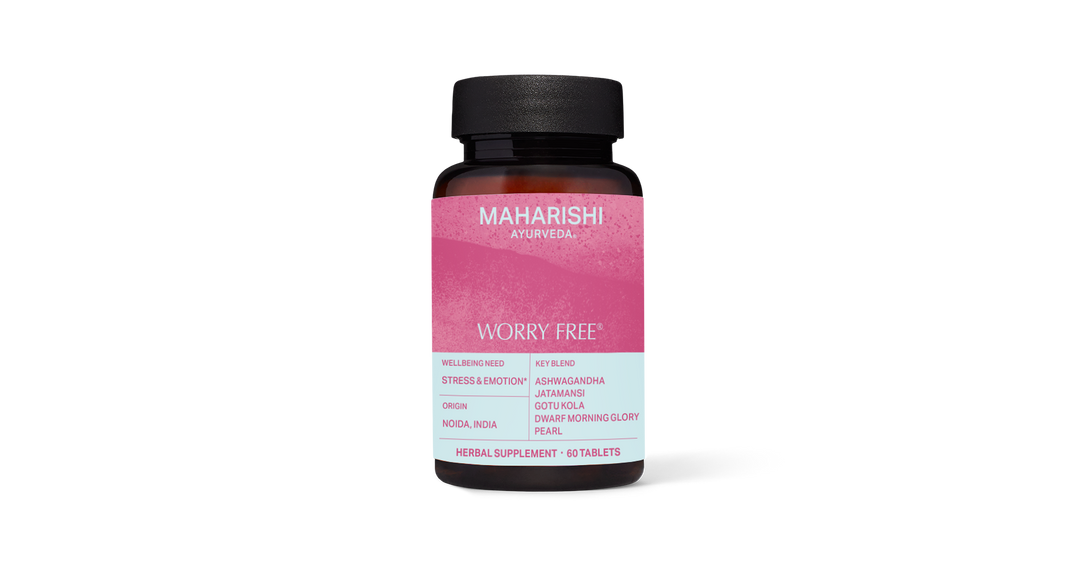
A: It's important for the person to take care of day-to-day stress naturally, which means enhancing his or her own ability to cope with stress. For all types of stress-mental, physical and emotional-Maharishi Ayurveda recommends the Transcendental Meditation® program, as it provides the deep rest needed to dissolve stress at its basis and enables the individual to become more resilient to stress. There are also specific recommendations for each type of stress. Let's say that due to the pressures of working 8-10 hours a day at a mentally challenging job, you are suffering from mental stress. You might have trouble sleeping at night and may feel worried and anxious all the time. Ideally, you should find work that is more suitable for you, that won't cause you so much stress, but if this is not possible, you should at least try to remove those stressors from your life that are not necessary. Try to figure out which stressors are really essential for you to live with, and let go of the rest. Then you need to increase your capacity to handle mental stress. This could include taking Worry Free tablets, two each morning and evening, and drinking Worry Free Tea morning and evening.

Q: And for emotional and physical stress?

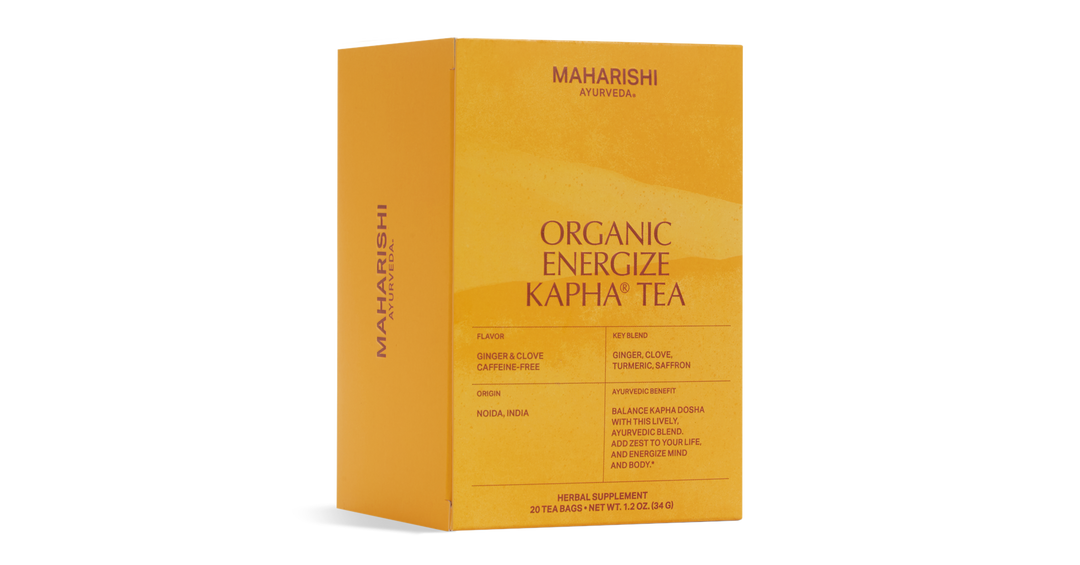
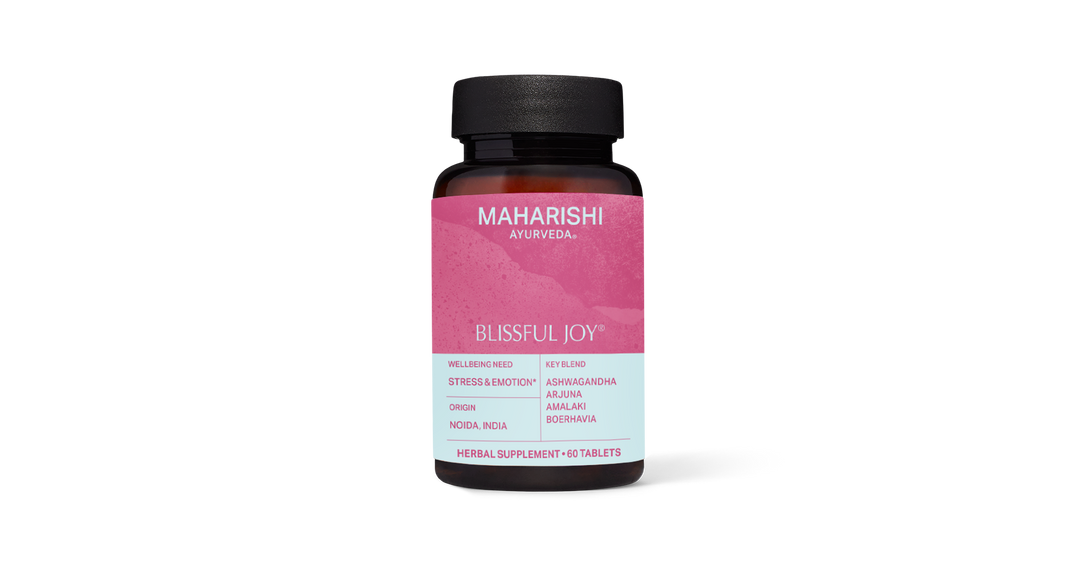
A: For emotional stress, take two tablets of Blissful Joy every morning and evening, and also take Rose Petal Preserve, one teaspoon after each meal. If you are suffering from physical fatigue or you are physically extending yourself more than your natural capacity allows, you should take Stress Free Body tablets, two each morning and evening, along with Kapha Tea. Follow a Kapha pacifying diet to dissolve physical ama and enhance your ability to cope with day-to-day physical fatigue. The Worry Free aroma oil and Blissful Heart aroma oils are very effective in balancing the body and mind and removing stress, as is the daily oil massage and some moderate exercise.

Q: That's a beautiful ideal-that the herbal compounds should not only support the physical function but also help provide the emotional and spiritual support for conception.

A: Yes, again this points to the fact that we're not talking about just conceiving a child, but conceiving a truly wise and brilliant child who is whole in every way.

Q: I understand that you recommend a detoxification program before the couple begins the fertility herbs. What does this involve?

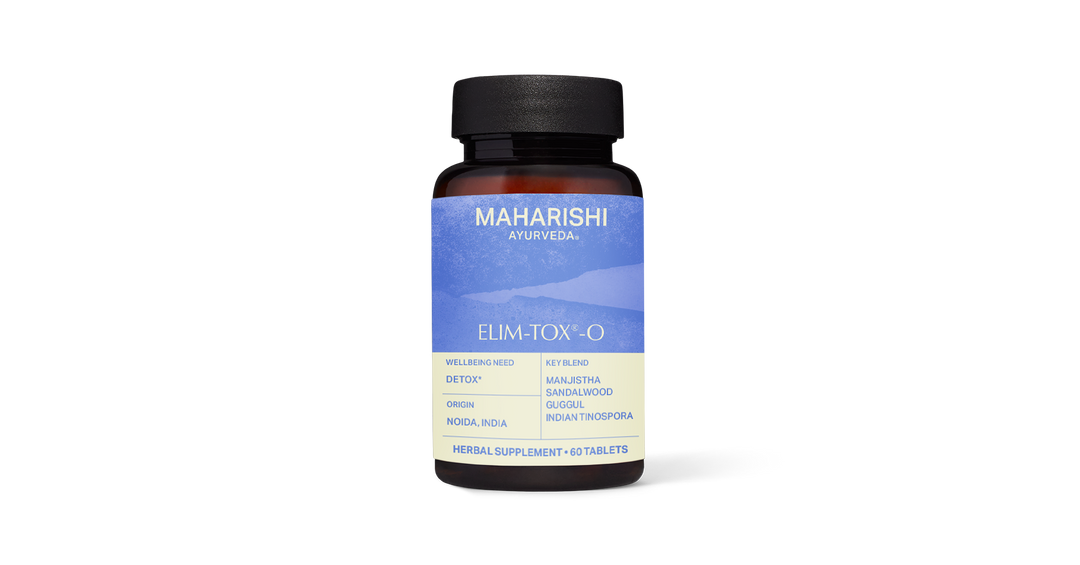
A: There are really two parts to the fertility-enhancing program: Phase I involves taking herbs for internal cleansing, and Phase II involves taking the herbs for increased fertility. Phase I is important to cleanse the genitourinary tract and prepare the area, so the herbal compounds can reach the targeted cells without obstruction. In that way they will be most effective. The couple should start the detoxification program three months before trying to conceive. You wouldn't want to try to conceive during the detoxification period. The recommended detoxification program includes taking two Genitrac tablets morning and evening, and one Elim-Tox-O tablet morning and evening. In addition, it's important to drink plenty of water, and to cleanse the bowels by eating a stewed apple for breakfast and including more prunes and figs in your diet. If the bowels need more help, you can also take two to four tablets of Herbal Cleanse once a day before bed. During this stage, include lots of fresh fruits and freshly cooked vegetables in your diet, to help the body detoxify. Spices such as turmeric, cumin, black cumin, and ajowan, when added to the food, also help purify the genitourinary tract. In general, you can follow the guidelines for the vrishya and bringhana diet already mentioned. During Phase I, it's also a good idea to follow the recommendations I already mentioned for dealing with day-to-day stress. Do this distressing and detoxification program for three months. Even if you don't have much ongoing stress, you will still benefit from detoxifying the area.

Q: What is involved in Phase II?

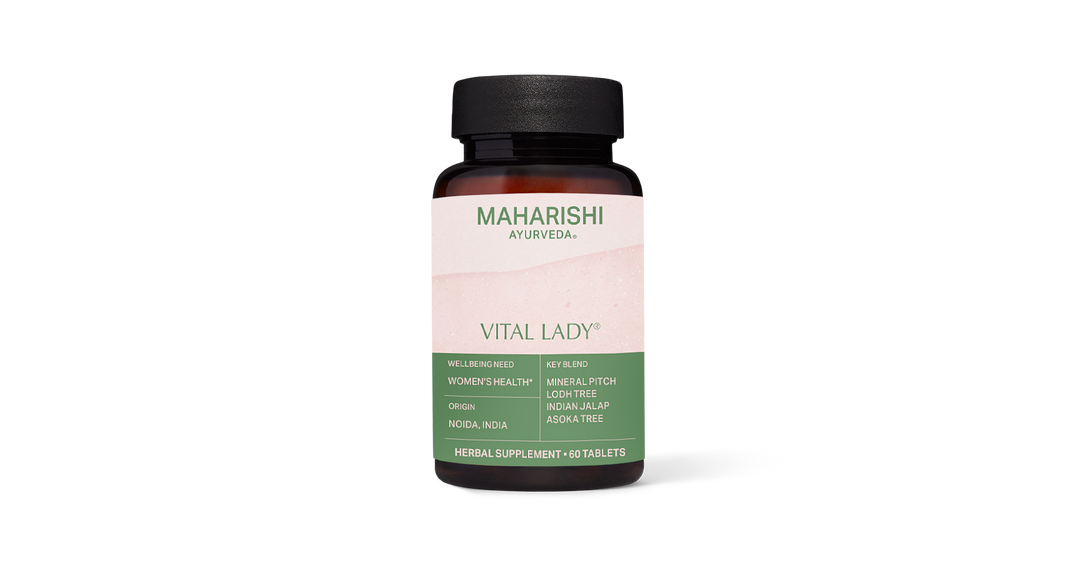
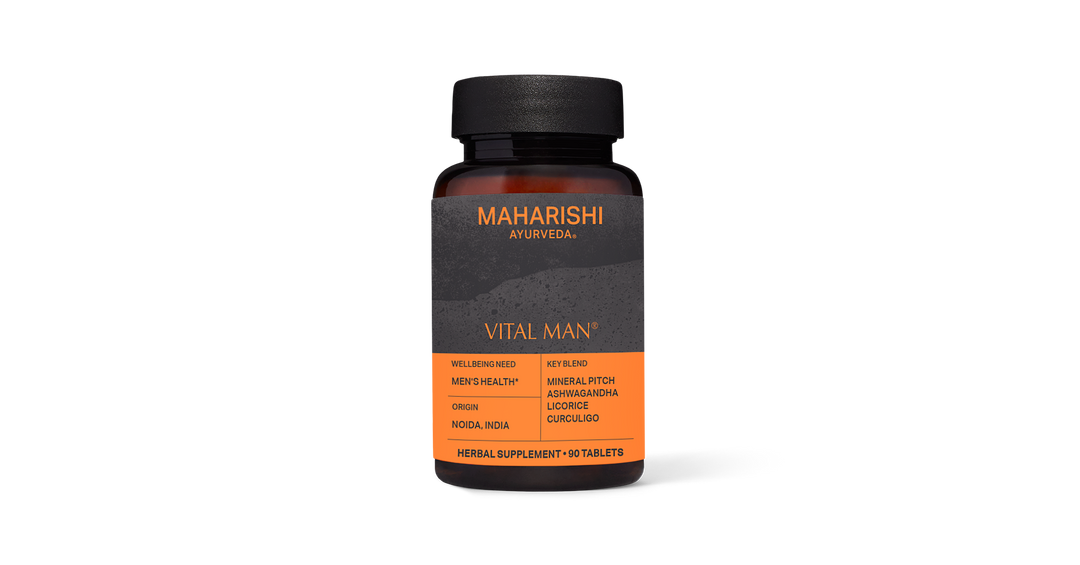
A: After removing the effects of day-to-day stress and toxins from the body in Phase I, the couple is ready to try to conceive. To support conception, the couple should stop taking the Genitrac and Elim-Tox-O. In addition, take Vital Man or Vital Lady (two tablets morning and evening), which also contain herbs that enhance shukra functioning and blissfulness in relationships. While taking these food supplements, the couple should continue the bringhana and vrishya dietary recommendations mentioned earlier to enhance the shukra tissue and support all the seven dhatus. They should also continue to try to manage day-to-day stress, such as by practicing Transcendental Meditation and using the Blissful Heart or Worry Free aroma oils and tablets mentioned earlier to maintain blissful and happy relationships.

Q: Then when that happy moment arrives, and the couple conceives, is there any change in recommendations?

A: When the couple has conceived, the woman should stop taking Vital Woman, and other herbal formulas. In addition, she should stop eating pineapple and papaya and should minimize spices, avoiding ajowan in particular. Spices in high doses have an estrogenic effect, which is not good during pregnancy and could imbalance hormones. During pregnancy there is a specific dietary regimen recommended by Maharishi Ayurveda to nourish and support the fetus. A physician trained in Maharishi Ayurveda can help put together a diet plan based on the woman's individual needs.

Q: We have discussed diet in detail. Are there any lifestyle recommendations for enhancing the natural fertility of men and women and conceiving a wise and brilliant child?

A: Yes, lifestyle is very important. There is an entire section of ayurveda devoted to healthy behaviors, called achara rasayanas. These behaviors create health, and are especially important for the couple that wants to conceive or anyone who wants to increase ojas. For example, following a good ayurvedic routine (i.e. going to bed before 10:00 p.m., waking up before 6:00 a.m., eating the main meal at noon, etc.) is important for balancing Pitta dosha, and preventing too much internal heat that can be damaging to shukra tissue. Anger, jealousy and arrogance also aggravate Sadhaka Pitta, and that disturbance can disturb healthy conception. Being truthful to yourself and others and practicing the Transcendental Meditation program regularly are other desirable behaviors included in achara rasayanas, and are important preparation for conception.

Q: What about environmental stress and pollution? Does this affect conception as well?

A: Yes, this is a very important area that is addressed by ayurveda. We already talked about the negative impact that toxins and pesticides in the food can create on the reproductive tissue. Environmental stress and pollution (whether it's air, water, sound, electromagnetic, or chemical) can also have an effect. Even if you are following the ayurvedic dietary guidelines and routine and take the appropriate herbal food supplements, if the environment is too polluted it can impact the quality of fertilization. If you find yourself in this situation, it might be helpful to go on vacation for some time, to go to a quiet place in order to purify and conceive. Or you can make own clean environment inside your home with plants, an air purifier, aromatherapy and Gandharva music therapy. Even if you can't leave the city, you can make your home more balanced and restful, and thus provide the clean, quiet, and soothing environment that is also important for truly healthy conception.

Q: In today's fast-paced world many couples put off having children while they get other things accomplished-making headway in a demanding career or buying a house or traveling, for example. When they eventually decide that they are ready to start a family, they may be in their late thirties or early forties. What are some helpful tips for older couples that still want to conceive?

A: There is no reason why a couple can't conceive a healthy baby at that age. They should focus on following the daily ayurvedic routine, and should be sure to follow the vrishya and bringhana diet. Day-to-day stress should be avoided as much as possible. Take time each day for the Transcendental Meditation program, which reduces stress and increases well-being. Go to bed on time and don't miss your daily oil massage with Rejuvenation Massage Oil. Make sure you are eating enough protein, especially dairy protein such as panir, milk and lassi. Women should take special care of themselves, particularly during menstruation. Follow the ayurvedic guidelines for that period: avoid traveling, avoid skipping meals, and try to avoid exposure to chemicals and pesticides in foods as well as strong chemical aromas. And taking real rest during your menstrual cycle is crucial. If you want to conceive when you are older, you need to be extra careful to maintain a healthy menstrual cycle.

Q: You mentioned earlier that even if someone is not interested in conceiving, he or she could still benefit from this program because enhancing shukra dhatu can help create more ojas, which leads to optimum health. What kind of diet and herbal supplements do you recommend for such individuals?

A: As you said, the whole idea is that everyone benefits from enhancing the seventh tissue, shukra dhatu, because it creates ojas. Ojas strengthens the connection between soul, mind, and senses, and supports spiritual growth. So for persons that desire children, these recommendations will increase fertility, but others can use the recommendations to enhance ojas for creating optimum mental, physical, emotional, and spiritual health. Those who are not interested in conceiving should follow the recommendations of Phase I for three months if they have accumulated toxins. Otherwise, if they have less ama, they could do it for only 45 days. After purifying, taking two tablets twice a day of Vital Man or Vital Woman. They should also follow the bringhana and vrishya dietary recommendations for enhancing shukra dhatu during both Phase I and Phase II, as this diet is most helpful in increasing ojas and overall physical and spiritual health. The recommendations for reducing day-to-day stress are also very important.

Q: Throughout this whole discussion, I couldn't help but marvel at how the ayurvedic view extends far beyond the conventional concept of fertility and conception.

A: Basically, Maharishi Ayurveda works in a more holistic way by enhancing the body's own ability to produce more healthy sperm and ovum. We are able to do this by giving overall support to the reproductive system, including support on the level of nature's intelligence itself. Plus Maharishi Ayurveda does not just support the physical values of conception, but the spiritual and psychological values as well. Because dietary, behavioral and lifestyle recommendations impact the mental and spiritual realms besides just the physical, it's a truly comprehensive and balanced approach. Also, Maharishi Ayurveda places a great deal of emphasis on health during conception, pregnancy, and postpartum. This is because if you take care of the child's health starting even before conception, you can prevent physical, emotional and mental problems throughout the child's life. This is the way to conceive a truly happy and healthy child who is joy to the parents and a gift to the world.


These articles provide a great resource from The Council of Maharishi Ayurveda Physicians on the knowledge, practices, products, and applications of Maharishi Ayurveda.

Disclaimer
The sole purpose of these newsletters is to provide information about the tradition of ayurveda. This information is not intended for use in the diagnosis, prevention or cure of any disease. If you have any serious, acute or chronic health concern, please consult a trained health professional who can fully assess your needs and address them effectively. If you are seeking the medical advice of a trained Ayurvedic expert, call our Health Educators or e-mail us for the number of a physician in your area.


Maharishi Ayurveda Products • 1680 Hwy 1 North, Suite 2200 • Fairfield, IA • U.S.A. 52556
E-mail: info@mapi.com • Fax: (641) 209-3466 • To order, call 800-255-8332     Outside USA, call +1 (641) 209-3691
Happy, Healthy, Enlightened America—Maharishi Ayurveda