Ayurveda recommends warm, cooked salads. Raw salads are considered cold, rough, and hard to digest.
Salads should be made and eaten fresh: the longer you keep them, the more prana (or life-force) their ingredients lose. Beyond six hours, salads are as good or not-so-good as leftovers, the use of which is not recommended by ayurvedic physicians because they can cause ama, or digestive toxins.
In general, the best time to eat salads is at noon, when digestive capacity is maximum.
How to Choose Your Salad Ingredients
The best salads are made from the best, freshest ingredients. Here's how to make sure you get the very best:
- Don't compromise on quality. Try to make an early-morning trip to your local farmer's market for organic, local produce. It's worth the trouble.
- As far as possible, choose vegetables and fruits that are native to where you live. Agreed that imported produce can look exotic and inviting. But often, such produce is artificially ripened, making it less beneficial for you.
- Choose produce that is in season. Although almost all fruits and vegetables are available year-round, it is really in keeping with nature's rhythms to choose your salad ingredients according to the season.
- Don't limit yourself to leafy greens and matchstick style veggies. Whole grains, beans, fruits, nuts, herbs—there is an endless variety of ingredients you can use to dish up an appetizing ayurvedic salad.
How to Cook Your Salads
"Cooking" in the ayurvedic sense does not mean a quick two-minute stir-fry on high heat. This leaves the ingredients almost raw. A better method is to cook your salad ingredients on medium-to-low heat until they are fully cooked but not overdone. This helps the nutrients in vegetables and grains become easier to digest and assimilate.
Recommended methods of cooking in Ayurveda include steaming, sautéing, roasting, grilling, and boiling.
- Enhance the flavor, aroma, and healing qualities of your salads by adding small amounts of ghee or oil. The Vata dosha in particular benefits from salads drizzled with oil and dressed in unctuous sauce. Spike your salads with spices. Black pepper, ginger, and cumin, for example, are particularly good because they kindle the digestive fire and clear the body's minute channels of toxins.
- Add salt to your salads while cooking the ingredients, not afterward. This allows the salt to be better absorbed.
- You can add fresh green herbs to your salads, but it is a good idea to toss them in when the salad is just about done: cooking the herbs can make them lose both color and flavor.
- If you love stir-fried vegetables, make sure they are on the tender side and not crunchy-raw. Vegetables that take longer to cook should be sliced or cubed smaller, so they take less time to be done.
Creative Tips for Your Salad Bowl
In her wholesome book Heaven's Banquet, Miriam Hospodar devotes an appetizing chapter to salads. Some tips from the writer:
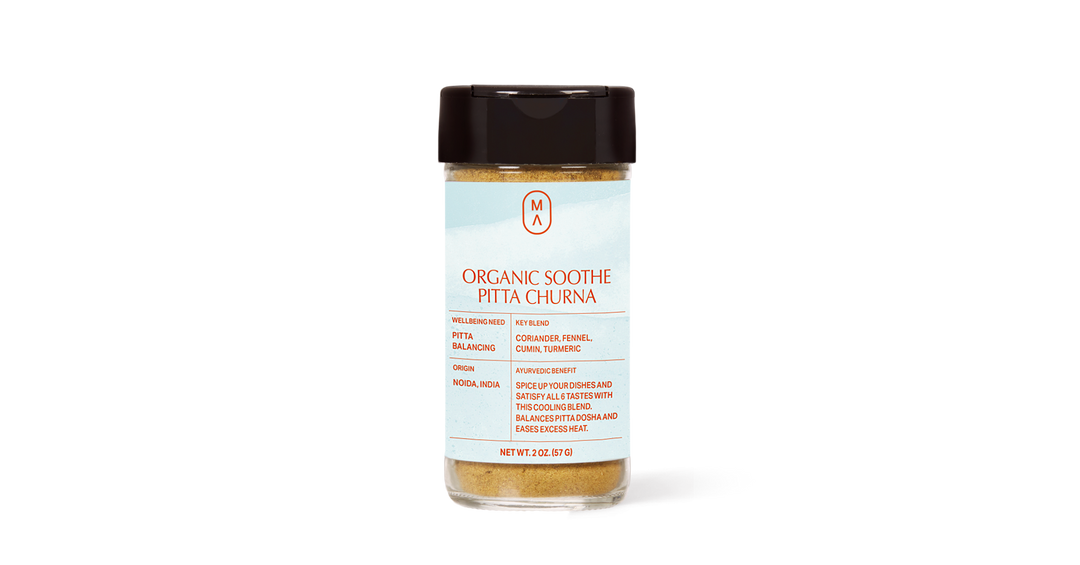
- A little Maharishi Ayurveda Churna sprinkled on salads enhances flavor greatly.
- Add cooked, cooled beans such as aduki or black beans to a summer salad.
- Sweet-salty nuts such as caramelized walnuts make great nibblers as well as toppings for salads.
- Both fresh and dried beans marry well with a vinaigrette-type dressing.
- Always use very good quality oil in your salads.
- Use lemon instead of vinegar in your salad dressings: lemon is considered a very healing food in ayurveda, while vinegar, being fermented, is not favored.
- For oil-free salad dressings, use vegetable juice, yogurt, puréed tomato, or panir that has been thinned with a liquid.
Dosha-wise Salad Ingredients
Here are some ingredients you can pick from for your cooked salads:
Beneficial for all three doshas
- Very young radishes (use less for Pitta)
- Asparagus
Kapha Balancing
- Broccoli
- Brussels sprouts
- Cauliflower
- Cabbage
- Amaranth
- Barley
- Buckwheat
- Millet
- Beans
Vata Balancing
- Cucumber (lightly cooked is even better)
- Cooked beets
- Carrots
- Radishes cooked with ghee or olive oil
- Oats
- Rice (basmati is recommended)
- Wheat and wheat products like semolina, farina, wheat berries
Pitta Balancing
- Cauliflower
- Cabbage
- Brussels sprouts
- Broccoli
- Fennel bulbs
- Oats
- Rice (basmati is recommended)