

Every season is associated with a dosha in Ayurveda—spring with Kapha, summer with Pitta and fall and winter with Vata. Each of these doshas has a tendency to increase within the physiology during its season.
Thus, the heat of summer tends to aggravate the Pitta in us, while a dry, cold and windy winter tends to increase Vata. These seasonal fluctuations of the doshas within us can be balanced by eating appropriately for the season. Sipping cool beverages on a hot day and eating a steaming bowl of soup on a chilly evening are two examples.
Vata dosha is composed of the air and space elements, and it governs all movement in the body. It is the dominant seasonal dosha from mid-October to mid-February.
Even for those with less Vata in our makeup, it is important to take steps to keep Vata in balance during this time because of its seasonal influence. Signs of an aggravated Vata include occasional irregular digestion, gas, constipation, intestinal cramps, poor assimilation and fatigue. The following Vata pacifying foods and eating habits can help you stay in balance.
Organic Calm Vata Tea
Shop now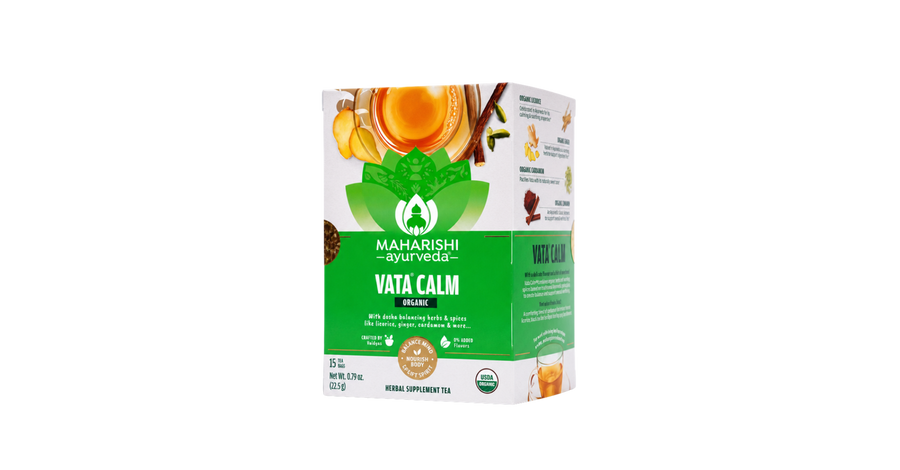
Understanding Vata: When Life Feels Fast-Paced
In Ayurveda, Vata is associated with movement and activity throughout the body and mind. When balanced, it is traditionally linked with creativity, adaptability, enthusiasm, and vitality.
When Vata becomes elevated, some individuals may notice qualities such as:
- Dry skin or lips
- Changes in digestive comfort
- Feelings of restlessness
- Difficulty settling into restful routines
- Increased sensitivity to cold weather
Modern lifestyles including irregular schedules, frequent travel, excessive screen time, and periods of stress are traditionally believed to contribute to elevated Vata.
Read our complete guide on vata dosha --->
Cook with Vata-balancing foods
"Warm" and "cooked" are key factors in the Vata-pacifying diet. Some of the best foods for Vata dosha include nourishing soups and stews, hot cereals, hearty grains, wholesome beverages and heavy desserts like rich rice pudding.
To keep Vata in balance, favor the sweet, sour and salty tastes and avoid bitter, pungent and astringent foods. All dairy products, for example, pacify Vata. Always boil milk before you drink it, and drink it warm, with a pinch of cardamom or dry ginger in it. Sweet lassi is an excellent lunchtime beverage. Fruits for Vata dosha have the sweet and/or sour tastes like oranges, bananas, avocados, grapes, cherries, peaches, melons, berries, plums, pineapples, mangos and papayas.
Vegetables should be eaten cooked; reduce raw salads as they are Vata aggravating. Warm, cooked beets, carrots, asparagus and sweet potatoes are good choices. In moderate quantities, the following vegetables are also fine, especially if they are cooked with ghee or oil and Vata-reducing spices: peas, green leafy vegetables (chopped small, with thick fibrous parts discarded), broccoli, cauliflower, celery, zucchini and potatoes.
Vata-pacifying spices include cardamom, cumin, ginger, cinnamon, salt, cloves, mustard seed and black pepper in moderation. Organic Vata Churna from Maharishi AyurVeda is a convenient, ready-to-use Vata spice mix. The Council of Maharishi AyurVeda Physicians advises cooking with it rather than sprinkling it on prepared foods as the preferred way of assimilating the benefits of the spices.
Also, favor foods that are liquid rather than dry, and warm rather than cold. Drink lots of warm water and sip two to three cups of Organic Vata Tea during the day.
Organic Vata Churna Calming Spice Mix
Shop now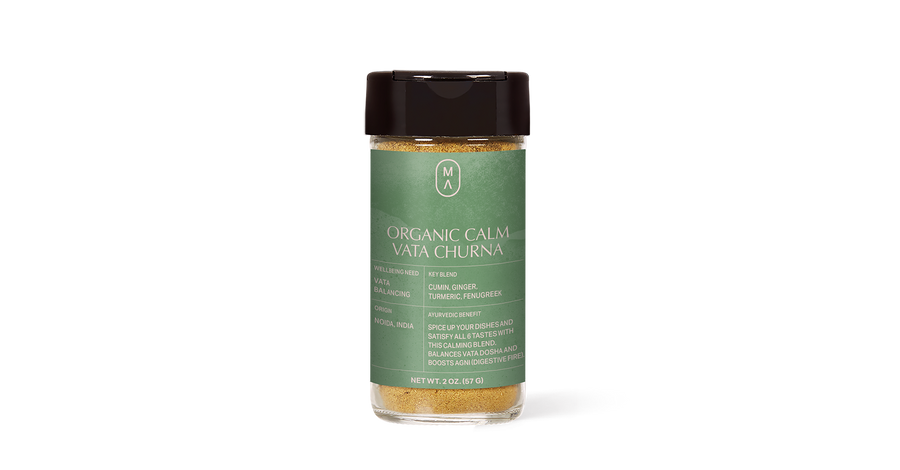
Why Warm, Nourishing Foods Are Traditionally Recommended
Ayurveda often recommends introducing qualities that help counterbalance excess coldness, dryness, and lightness.
Warm, freshly prepared foods are traditionally valued because they offer qualities that are considered comforting, grounding, and nourishing.
Warmth
Warm meals and beverages are often enjoyed during colder seasons and are traditionally associated with comfort and balance.
Moisture
Soft, cooked, and naturally moist foods are commonly recommended in Ayurveda to help offset the dry qualities associated with Vata.
Grounding Qualities
Cooked grains, soups, and stews are traditionally valued for their satisfying and nourishing qualities.
What Does a Vata-Friendly Diet Look Like?
Rather than following strict rules, Ayurveda generally encourages choosing foods that provide warmth, nourishment, and comfort.
Foods Traditionally Favored
- Warm, freshly prepared meals
- Soft and nourishing foods
- Foods prepared with healthy fats such as ghee or oils
- Mild culinary spices
- Cooked vegetables
Foods Traditionally Limited
- Very cold foods and beverages
- Excessive amounts of raw foods
- Dry and crunchy snack foods
- Foods considered excessively bitter or astringent in Ayurveda
Stick to a regular eating routine to balance Vata
Vata dosha is balanced by regularity in routine. Eat three nourishing meals a day, and eat them at around the same times each day. Don't skip meals, especially breakfast. Eat lunch, the heaviest meal of the day, close to noon. Eat a lighter meal, such as mung bean soup, for dinner.
Your last meal of the day should be done at least three hours before you go to bed. If you snack in-between meals, eat nuts and raisins soaked in water (dried fruits aggravate Vata) or stewed fruit for a healthy dose of energy. Most nuts are Vata-pacifying.
Eating warm, cooked, grounding foods goes a long way to keeping Vata dosha in check, especially during the winter months. Discover more ways to whip up delicious Vata-balancing Ayurvedic recipes.
FAQs
1. What is Vata dosha?
Vata dosha is one of the three primary doshas described in Ayurveda. It is traditionally associated with the elements of air and space and qualities such as movement, lightness, and adaptability.
2. What may contribute to elevated Vata?
According to Ayurvedic principles, factors such as irregular routines, frequent travel, cold or dry foods, insufficient rest, and periods of high activity may contribute to elevated Vata.
3. What foods are traditionally recommended for Vata balance?
Ayurveda traditionally recommends warm, moist, and nourishing foods such as cooked grains, soups, root vegetables, dates, soaked almonds, and foods prepared with healthy fats.
4. What are common signs associated with elevated Vata?
Ayurvedic teachings associate elevated Vata with qualities such as dryness, digestive irregularity, restlessness, fluctuating energy levels, and difficulty maintaining routine.
5. How can you support Vata balance?
Traditional Ayurvedic recommendations include:
- Enjoying warm, nourishing meals
- Practicing meditation or mindful breathing
- Following a consistent daily routine
- Prioritizing adequate rest
- Incorporating self-massage (Abhyanga) as part of a wellness routine
6. Is Vata hot or cold?
Vata is traditionally described as cold, dry, light, and mobile in nature. For this reason, Ayurvedic approaches often emphasize warmth, nourishment, and consistency.
© 1999, 2021 Maharishi AyurVeda Products International, Inc. (MAPI). All Rights Reserved. MAPI does not provide medical advice, diagnosis or treatment. These statements have not been evaluated by the Food and Drug Administration. Products are not intended to diagnose, treat, cure or prevent any disease. See additional information.


